
Heart Palpitations During Menopause: What They Feel Like, Why They Happen, and When to Worry

Updated: Feb 3

Heart palpitations are a common and often alarming symptom during menopause. Many women describe sudden sensations of their heart racing, fluttering, pounding, or skipping beats, sometimes appearing without warning. These experiences can be unsettling, especially when they occur alongside other menopause symptoms like hot flashes, anxiety, or disrupted sleep.
While heart palpitations during menopause are frequently benign and related to hormonal changes, they should never be dismissed automatically. Understanding what palpitations feel like, why they happen, and when medical evaluation is necessary can help women feel more informed and reassured during this transition.
What Are Heart Palpitations?
Heart palpitations are sensations of being unusually aware of your heartbeat. Rather than a disease itself, palpitations describe how the heartbeat feels. They can occur in the chest, throat, or neck and may be brief or prolonged. Common descriptions include:
A rapid or racing heartbeat
Fluttering or flip-flopping sensations
Pounding or forceful heartbeats
Skipped beats or brief pauses
A sensation that feels irregular or unpredictable
From a medical standpoint, palpitations reflect a perceived change in heart rhythm, speed, or strength. They may or may not correspond to a true abnormal heart rhythm.
What Do Heart Palpitations Feel Like During Menopause?
During perimenopause and menopause, palpitations often feel more intense or noticeable than at other times in life. Many women report:
Sudden episodes of heart pounding at rest
Fluttering sensations during hot flashes or night sweats
Palpitations that occur at night and disrupt sleep
Sensations that appear during periods of stress or anxiety
These experiences are consistent with how palpitations are defined clinically, but their timing around menopause can make them particularly distressing.
Why Do Heart Palpitations Happen During Menopause?
Hormonal Changes and Estrogen Decline
The most widely accepted explanation for menopausal heart palpitations involves hormonal fluctuations, especially declining estrogen levels. Estrogen plays an important role in cardiovascular regulation, including heart rate control and blood vessel function.
As estrogen levels fluctuate and fall during menopause, the heart and nervous system may become more sensitive. This heightened sensitivity can make normal heart rhythms feel exaggerated or irregular.
Estrogen changes are also closely linked to vasomotor symptoms like hot flashes. During a hot flash, heart rate can temporarily increase by approximately 8 to 16 beats per minute, which may trigger or intensify palpitations.
Autonomic Nervous System Effects
The autonomic nervous system regulates involuntary functions such as heart rate and blood pressure. Hormonal shifts during menopause can disrupt this system, leading to brief electrical irregularities in the heart’s conduction system.
These changes may not indicate heart disease, but they can produce sensations of fluttering, pounding, or skipped beats that feel very real and concerning.
Interaction With Other Menopause Symptoms
Heart palpitations often occur alongside other menopause-related symptoms, including:
Hot flashes and night sweats
Sleep disturbances and insomnia
Stress and anxiety
Mood changes
Each of these factors can independently increase heart rate or heighten awareness of bodily sensations, making palpitations more noticeable.
How Common Are Heart Palpitations During Menopause?
Research suggests that palpitations are one of the more frequent cardiovascular-related symptoms during the menopausal transition.
Up to 42 percent of women in perimenopause report experiencing palpitations
Up to 54 percent of postmenopausal women report palpitations in some studies
Despite how common they are, menopausal palpitations remain under-researched compared with other menopause symptoms, and clear treatment guidelines are still evolving.
Other Factors That Can Trigger or Mimic Palpitations
Although menopause itself is strongly associated with palpitations, other factors can trigger or worsen symptoms and should be considered.
Lifestyle and Environmental Triggers
Caffeine, alcohol, and nicotine
Sleep deprivation
Emotional stress or anxiety
Dehydration
Low blood sugar
Strenuous or unaccustomed exercise
Certain medications, such as decongestants
Identifying and reducing triggers can significantly improve symptoms for some women.
Medical Conditions That Can Cause Palpitations
Not all palpitations are related to menopause. Medical causes that may produce similar sensations include:
Thyroid disorders
Anemia
Electrolyte imbalances
True cardiac arrhythmias, such as atrial fibrillation
Coronary artery disease or other structural heart conditions
Because symptoms overlap, medical evaluation is important when palpitations are persistent, worsening, or unusual.
When Should You Be Concerned About Heart Palpitations?
Menopausal palpitations are often benign, but they should be evaluated promptly if they are:
Frequent or long-lasting
Increasing in severity over time
Associated with chest pain or pressure
Accompanied by shortness of breath
Linked to fainting, dizziness, or light-headedness
These symptoms may indicate an underlying arrhythmia or other heart condition that requires medical attention.
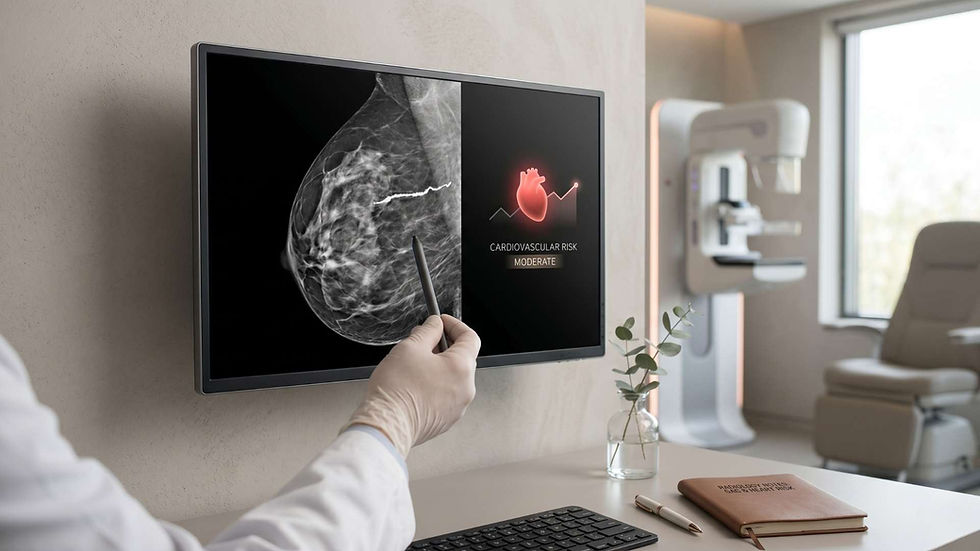
Long-Term Heart Health After Menopause
Menopause does not directly cause heart disease, but hormonal changes contribute to increased cardiovascular risk over time. After menopause, women are more likely to experience:
Higher blood pressure
Changes in cholesterol levels
Reduced vascular flexibility
Research also suggests that stress, insomnia, and psychosocial factors during and after menopause may increase the risk of irregular heart rhythms, including atrial fibrillation. Lifestyle factors such as physical activity, diet, and metabolic health play an important role in long-term heart outcomes.
How Heart Palpitations Are Evaluated Clinically
Medical Evaluation
A clinician may evaluate menopausal palpitations by:
Taking a detailed symptom and medical history
Performing a physical examination
Ordering an electrocardiogram (ECG)
Using ambulatory heart monitoring if symptoms are intermittent
Checking for thyroid, anemia, or electrolyte abnormalities
The goal is to distinguish benign palpitations from clinically significant arrhythmias.
Lifestyle and Behavioral Strategies
Many women experience improvement with non-medical approaches, including:
Reducing caffeine and alcohol intake
Prioritizing sleep quality
Managing stress with relaxation or breathing techniques
Staying well hydrated
Tracking symptom triggers
Hormone Therapy Considerations
Some studies suggest that hormone therapy, such as estradiol, may reduce palpitations in certain women. However, evidence remains limited, and hormone therapy decisions should be individualized and discussed carefully with a healthcare provider.
Treatment of Underlying Heart Conditions
If palpitations are caused by a diagnosed arrhythmia or heart condition, appropriate medical treatment or procedures may be required.
FAQ
Do heart palpitations during menopause go away?
For many women, heart palpitations during menopause do improve over time as hormone levels stabilize. The frequency and intensity often decrease after the menopausal transition, especially when triggers like stress, poor sleep, or caffeine are addressed. However, persistent or worsening palpitations should be evaluated to rule out other causes.
Can menopause cause heart palpitations at night?
Yes, menopause can cause heart palpitations at night. Hormonal fluctuations, night sweats, sleep disruption, and stress hormone surges can all make palpitations more noticeable when lying down or waking from sleep. Improving sleep quality and managing triggers often helps reduce nighttime episodes.
How do you calm hormonal heart palpitations naturally?
Calming hormonal heart palpitations often starts with lifestyle adjustments. Reducing caffeine and alcohol, staying well hydrated, managing stress, prioritizing sleep, and practicing slow breathing or relaxation techniques can help. Identifying and avoiding personal triggers is also important.
Are heart palpitations during menopause dangerous?
Most heart palpitations during menopause are benign and related to hormonal changes rather than heart disease. However, palpitations that are frequent, prolonged, or accompanied by symptoms like chest pain, fainting, or shortness of breath should be evaluated to rule out a heart rhythm problem.
When should I see a cardiologist for menopause-related palpitations?
You should see a cardiologist if palpitations are new, worsening, frequent, or associated with dizziness, fainting, chest discomfort, or shortness of breath. Evaluation is also important if you have a history of heart disease or other risk factors, even if symptoms seem mild.


Comments