
Cardio Oncology and Heart Disease Prevention: Protecting Your Heart During Cancer Treatment


As cancer survival rates continue to rise, a new challenge has gained attention: protecting the heart during cancer treatment. The field of cardio oncology focuses on preventing, detecting, and managing cardiovascular complications that may occur as a result of cancer therapies. With more patients living longer after cancer, understanding how cancer treatments affect heart health and developing preventive strategies are key to improving both longevity and quality of life.
According to the American Cancer Society, over 70% of cancer patients now live at least five years post diagnosis, with breast and prostate cancer survival rates approaching 90%. While this progress is remarkable, it also means that long term side effects like heart disease, heart failure, and stroke have become more frequent among survivors. Cardio oncology bridges the gap between oncology and cardiology to protect one of the body’s most vital organs—the heart.
What Is Cardio Oncology and Why Is It Important?
Cardio oncology is a medical specialty that focuses on preventing and treating cardiovascular complications in people receiving cancer therapies. This field brings together oncologists and cardiologists to create integrated care plans that monitor heart function throughout cancer treatment and into survivorship.
Cancer therapies such as chemotherapy, radiation, and targeted drugs can place strain on the heart. Some medications can cause inflammation in the heart muscle, increase blood pressure, or weaken the heart’s ability to pump blood efficiently. Radiation therapy that targets the chest can sometimes lead to narrowing of the arteries or valve damage. The goal of cardio oncology is to identify at risk patients early, reduce these risks, and manage heart health before, during, and after treatment.
Understanding the Connection Between Cancer and Heart Disease
Research has shown that cancer and heart disease are interconnected in more ways than once thought. They share several risk factors related to lifestyle and metabolic health. Smoking, sedentary habits, high cholesterol, obesity, and excessive alcohol intake all increase the likelihood of developing both conditions.
Dr. Joerg Herrmann, founder of the Cardio Oncology Clinic at Mayo Clinic, describes this relationship as a “web of risk factors.” A person who adopts healthy behaviors like quitting smoking, maintaining a balanced weight, and exercising regularly may simultaneously reduce the risk of both cancer and cardiovascular disease. Nearly half of all cancers are linked to modifiable behavioral factors, which highlights the shared benefit of prevention through lifestyle changes.
How Can Cancer Treatments Affect Cardiovascular Health?
Certain cancer therapies have known cardiotoxic effects, meaning they can damage heart tissues or alter blood flow. Chemotherapy drugs such as anthracyclines, for example, have been associated with heart muscle weakening. Radiation treatments near the chest can cause scarring that restricts proper heart function.
The risk varies depending on the type and duration of treatment, cumulative dosage, and an individual’s preexisting cardiovascular health. Regular cardiac evaluations, including echocardiograms or blood tests for cardiac biomarkers, help clinicians catch early signs of heart damage before symptoms develop.

Cardio Oncology Strategies to Reduce Heart Damage
To protect the heart during cancer therapy, several strategies can be applied through collaboration between oncology and cardiology teams.
1. Personalized Risk Assessment and Baseline Testing
Before beginning treatment, a cardio oncology evaluation can help identify high risk individuals. Tests may include imaging studies, electrocardiograms, and blood work measuring cardiac enzymes. Establishing a baseline allows doctors to track changes over time and adjust treatment plans when needed.
2. Use of Protective Medications
In some cases, cardioprotective medications such as beta blockers, ACE inhibitors, or statins may be prescribed to stabilize blood pressure, improve heart function, and reduce inflammation. These drugs can help mitigate heart strain from chemotherapy or targeted therapies.
3. Advanced Radiation and Chemotherapy Techniques
Modern cancer centers are employing targeted therapies and proton beam radiation that minimize exposure to healthy tissue. Shielding and breath control techniques during radiation can help protect the heart and lungs from unnecessary harm.
4. Regular Cardiovascular Monitoring
Continuous cardiac monitoring during treatment ensures early intervention if abnormalities appear. Remote monitoring technologies and wearable devices are making it easier for patients to track heart rhythm, heart rate, and other vital metrics in real time.
Can Artificial Intelligence and Wearables Help Detect Heart Damage Early?
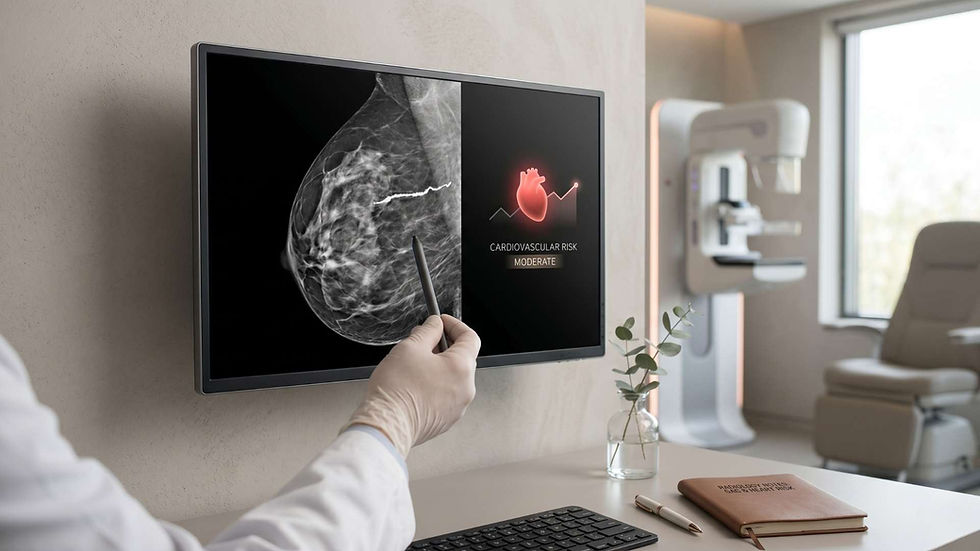
Artificial intelligence (AI) and wearable technology are transforming cardio oncology. AI algorithms can analyze electrocardiogram data to detect early signs of cardiac stress, often before symptoms are noticeable. For example, subtle decreases in heart pumping efficiency can be picked up through machine learning programs that interpret ECG results beyond human capability.
Wearables like smartwatches and cardiac sensors can monitor heart rate, rhythm irregularities, and even oxygen levels. This real time data helps healthcare providers remotely identify potential issues and take preventive action before they progress to severe heart damage.
The Future of Cardiac Monitoring Tech in Cancer Care
The use of cardiac remote monitoring and AI assisted diagnostics promises a shift toward personalized, continuous care. Cancer survivors who remain at long term risk may not need frequent hospital based imaging. Instead, data from wearable devices can alert clinicians to early abnormalities, allowing timely evaluation and management.
Lifestyle Habits that Support Heart Disease Prevention During Cancer Treatment
Maintaining a healthy lifestyle plays a central role in both cancer recovery and prevention of cardiovascular disease. These habits are essential not only for treatment success but also for long term well being.
Physical Activity for Heart Health
According to specialists, regular exercise significantly lowers cardiovascular risk and enhances tolerance to cancer therapies. Activities like brisk walking, yoga, or swimming for at least 30 minutes most days each week can improve circulation and strengthen the heart muscle. Consistency is key. Even light activity can help if performed regularly.
Nutrition and Diet for Cardiovascular Wellness
Following a Mediterranean or DASH diet has been proven to support heart health and reduce inflammation. Both diets emphasize fruits, vegetables, whole grains, lean proteins, and healthy fats like olive oil and nuts. Limiting sodium and added sugar helps maintain balanced blood pressure and cholesterol levels, which is essential for cancer patients with increased cardiovascular risk.
Managing Stress and Prioritizing Mental Health
Stress can trigger hormonal changes that increase blood pressure and heart rate, complicating recovery. Techniques such as deep breathing, meditation, and participation in support groups have been shown to reduce anxiety levels and improve cardiovascular outcomes during cancer care.
The Role of Sleep in Heart Recovery
Adequate sleep—typically 7 to 8 hours each night—supports the body’s natural repair processes. Poor sleep patterns are associated with high blood pressure and insulin resistance, which heighten the risk of heart disease. Cancer patients should prioritize consistent sleep routines to aid both immune system strength and heart recovery.
How to Prevent Heart Disease After Cancer Treatment
Heart disease prevention does not end when cancer therapy concludes. Continued monitoring and proactive health management remain critical to maintain long term heart wellness.
1. Schedule Regular Follow-ups
Ongoing checkups with both oncologists and cardiologists help detect post treatment cardiovascular complications early. Routine echocardiograms, blood pressure checks, and cholesterol panels should be part of post cancer care plans.
2. Recognize Early Warning Signs
Patients should be aware of symptoms like shortness of breath, swelling in the legs, irregular heartbeats, or chest discomfort, as these may indicate developing heart failure or damage. Reporting new or persistent symptoms promptly can prevent serious outcomes.
3. Continue a Heart Healthy Lifestyle
Even after remission, maintaining habits such as staying active, avoiding tobacco, limiting alcohol, and adopting a nutrient rich diet can substantially reduce the risk of heart disease. These habits also support overall vitality and reduce cancer recurrence.
4. Strong Communication Between Specialists
Integrating cardio oncology care into the long term survivorship plan ensures both cancer recurrence and heart health are monitored simultaneously. This coordinated approach leads to better treatment outcomes and improved quality of life.
The Growing Importance of Cardio Oncology for the Future
Cardio oncology represents a new frontier in personalized medicine. As more patients live longer with or beyond cancer, healthcare teams must balance effective cancer control with cardiovascular wellness. This interdisciplinary field ensures that life saving treatments do not inadvertently compromise heart health.
With continued innovation in protective therapies, AI driven diagnostics, and lifestyle education, patients can confidently pursue treatment plans that safeguard both their life and heart.
Conclusion
Cardio oncology is redefining the relationship between cancer care and heart disease prevention. Through comprehensive screenings, modern treatment techniques, and patient centered prevention strategies, it is now possible to reduce heart damage and improve survival outcomes. Whether through AI enabled monitoring or daily lifestyle habits, protecting your heart during and after cancer treatment is one of the most effective ways to ensure a healthier future.
When cancer and heart care work hand in hand, survivorship becomes not just about living longer but living stronger, with a heart that remains resilient every step of the way.



Comments