
Menopause and Heart Disease Risk: How It Affects Women’s Heart Health


Menopause and heart disease risk are more closely linked than many women realize. The transition of menopause marks the end of a woman’s reproductive years, but it also initiates critical changes in her cardiovascular system. Falling estrogen levels influence cholesterol, blood pressure, and fat distribution, all of which play a part in the development of coronary heart disease. With heart disease remaining the leading cause of death among women, understanding this connection is essential for prevention and proactive care.
What Happens to the Heart During Menopause?
As estrogen levels drop during menopause, the protective effects this hormone once provided to arteries and blood vessels also decline. Estrogen helps regulate cholesterol, prevents plaque buildup, and supports healthy blood vessel function. When its levels fall, LDL (bad cholesterol) tends to rise, HDL (good cholesterol) decreases, and arteries can begin to narrow. These changes increase the likelihood of coronary heart disease, heart attack, or stroke.
The Role of Estrogen in Cardiovascular Health
Estrogen directly influences how the body stores fat and processes cholesterol. It supports flexible blood vessels and helps maintain optimal blood flow. When estrogen levels fall, arterial stiffness increases, making it easier for plaque to accumulate. This is why postmenopausal women show higher rates of high cholesterol, metabolic syndrome, and blood pressure issues.
Transition of Menopause and Early Warning Signs
The perimenopause period can bring symptoms like heart palpitations, hot flushes, and fatigue. While these symptoms are usually caused by hormonal fluctuations, sometimes they overlap with signs of cardiovascular distress. It is crucial to differentiate between menopausal symptoms and signals of actual heart disease. Regular heart health monitoring during this stage can help prevent undetected risks.
Menopause and Heart Disease Risk
Several mechanisms drive the rise in cardiovascular disease risk after menopause. The loss of estrogen not only affects the arteries but also impacts metabolism and fat distribution. This means that women may gain weight predominantly around the abdomen, a known cardiovascular disease risk factor.
Changes in Blood Pressure and Cholesterol Levels
After menopause, blood vessels lose elasticity and blood pressure often increases. Research shows that postmenopausal women experience higher rates of hypertension and a steeper rise in LDL cholesterol levels. These factors, combined with reduced physical activity and stress, accelerate cardiovascular risk.
The Impact of Early Menopause
Women who experience early menopause, before age 45, are at higher risk of coronary heart disease because the protective phase of estrogen ends prematurely. Early menopause can arise naturally or result from medical interventions such as surgery or chemotherapy. Studies show that women with early menopause develop cardiovascular issues earlier in life, making early prevention strategies essential.

Hormone Replacement Therapy and Cardiovascular Risk
Hormone replacement therapy (HRT) often enters the discussion on how to manage heart disease after menopause. HRT can relieve menopausal symptoms like night sweats and mood swings, but its role in protecting the heart remains debated. Research, including the Women’s Health Initiative, found that HRT should not be used solely to prevent heart disease because of small increases in blood clot and stroke risk.
When Can HRT Benefit Heart Health?
Timing appears to matter. Starting HRT within 10 years of menopause onset and before age 60 may support cholesterol balance and preserve arterial health. Transdermal HRT options such as patches and gels minimize some risks associated with oral forms. Women interested in HRT should have a full cardiovascular evaluation before starting therapy.
Is HRT Safe for Women With Heart Conditions?
For women with existing heart disease, decisions about HRT need to be personalized. In some cases, if blood pressure and cholesterol are well managed, HRT may still be an option under medical supervision. Always consult a gynecologist and cardiologist to determine the safest treatment route.
Recognizing the Signs of Heart Disease After Menopause
Many postmenopausal women mistake cardiovascular symptoms for menopausal ones. For instance, hot flushes and heart palpitations can mimic mild cardiac events. The most common signs of a heart attack include persistent chest pain, discomfort spreading to the arms or jaw, and breathlessness. If these symptoms persist, medical care should be sought immediately.
How to Tell the Difference Between Menopause Symptoms and Heart Trouble
Heart palpitations during menopause often arise from hormonal fluctuation rather than blocked arteries. However, if the sensation coincides with dizziness, chest pain, or shortness of breath, they could signal a heart condition. Women should not ignore symptoms that are new, severe, or persistent. If you like to learn more check "Menopause and Your Heart".
Preventing Coronary Heart Disease After Menopause
Heart disease prevention after menopause depends on controlling cardiovascular disease risk factors through lifestyle changes, diet, and medical management.
Maintain a Healthy Weight
Weight gain during menopause is common, particularly around the waistline. Keeping weight stable can lower blood pressure and cholesterol. Try daily walking, cycling short distances, or light resistance training. Even small efforts like taking the stairs or getting off public transport one stop early promote long-term cardiovascular health.
Eat a Heart-Healthy Diet
Focus on foods that lower cholesterol and blood pressure. Add fruits, vegetables, and whole grains while limiting saturated fat, sugar, and salt. Include healthy fats from olive oil or avocados and aim to eat fish, beans, or lentils regularly. Replacing processed snacks with nuts or seeds can also improve heart health.
Monitor Cholesterol and Blood Pressure
Routine checkups are vital to track potential warning signs. Blood pressure control and cholesterol management are key in reducing the risk factor for cardiovascular disease. Women with high cholesterol should work with their doctor to balance diet, exercise, and possible medication.
Limit Alcohol and Avoid Smoking
Reducing alcohol intake to less than 14 units a week and quitting smoking both ease menopausal symptoms and protect heart health. Smoking accelerates artery damage and raises the risk of coronary heart disease dramatically.
Stay Active and Manage Stress
Physical activity supports weight management, lowers anxiety, and improves overall cardiovascular function. Yoga, meditation, and relaxation techniques can help ease menopause transition symptoms while supporting mental and heart health. Consistent exercise reduces postmenopausal plaque buildup, even in women already on statin therapy.
The Importance of Regular Heart Screening in Women
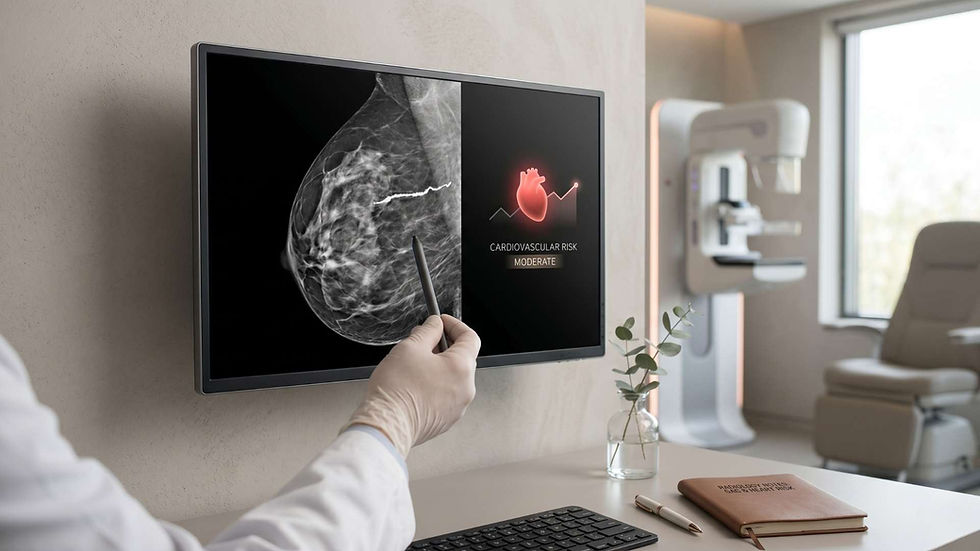
Despite rising awareness, many women remain under screened for heart disease during and after menopause. Coronary artery calcium (CAC) scans allow doctors to detect early plaque buildup before symptoms appear. Women with a family history of heart disease should consider these tests to identify risks early.
When to Get a Coronary Calcium Scan
A calcium scan is particularly useful for women nearing or after menopause who have additional risk factors like high cholesterol or hypertension. Early detection gives doctors more time to recommend lifestyle and medical interventions that can prevent future cardiac events.

Combining Medical Care with Lifestyle Strategies
Optimal postmenopausal heart health depends on cooperation between women and healthcare providers. Gynecologists and cardiologists should work together to personalize prevention and treatment plans that take into account hormonal changes and cardiovascular risk factors.
When to Consult a Specialist
Women with early menopause, diabetes, or strong family heart histories benefit from specialist evaluation. A cardiologist can suggest advanced screening and preventive therapies tailored to a woman’s specific cardiovascular profile.
Conclusion
The link between menopause and heart disease risk is undeniable, but it is not inevitable. Understanding how hormonal shifts affect cholesterol, blood pressure, and body composition allows women to take proactive steps to protect their hearts. By embracing a heart-healthy diet, maintaining regular physical activity, managing stress, and considering medical support when appropriate, women can dramatically lower their chances of developing coronary heart disease after menopause. Education, regular screening, and lifestyle awareness remain the cornerstones of women’s heart health across every life stage.


Comments