
Preventing Heart Damage During Cancer Treatment: Cardio-Oncology Insights


Cancer therapies have transformed survival rates, but they can also strain another vital organ – the heart. As treatments become more effective, attention is turning to heart damage during cancer treatment, a condition known as cardiotoxicity. This growing concern has led to the rise of cardio oncology, a specialized field focused on protecting cardiovascular health before, during, and after cancer therapy. Understanding the connections between cancer and the heart helps patients and care teams make informed decisions that improve both longevity and quality of life.
What Is Cardio-Oncology and Why Is It Important?
Cardio oncology, also known as oncocardiology, bridges two critical specialties: cancer care and cardiovascular disease prevention. The main goal of cardio oncology is to detect, monitor, and prevent heart damage that may occur due to chemotherapy, targeted therapy, radiation, or immunotherapy. According to the American Cancer Society, adult cancer survivors have up to a 42% higher risk of developing heart disease compared with the general population. Breast, lung, and blood cancer survivors are among the groups most likely to experience long-term heart complications.
The Link Between Cancer Treatment and the Heart
Certain cancer treatments, especially anthracycline-based chemotherapy (like doxorubicin) and HER2-targeted therapies (such as trastuzumab), have been associated with heart muscle damage, heart failure, or irregular heartbeat. Radiation therapy to the chest area can also affect heart valves and arteries, leading to cardiovascular disease years after treatment. Cardio-oncology programs aim to identify patients most at risk, monitor them with advanced heart tests, and adjust treatment strategies before permanent damage occurs.
How Does Cancer Treatment Affect the Heart?
The heart can be impacted in several ways depending on the type and intensity of cancer therapy. Some patients experience temporary effects, while others may develop long-term cardiovascular issues.
Understanding Cardiotoxicity
Cardiotoxicity refers to damage to the heart muscle or electrical system caused by cancer treatment. It can present as fatigue, breathlessness, swelling in the legs, or chest pain. The risk is influenced by medication type, dosage, and pre-existing heart conditions. Studies show that cardiotoxicity affects between 5% and 15% of breast cancer patients treated with anthracyclines or HER2-blocking drugs. Identifying it early allows doctors to modify or pause therapy and, in some cases, reverse the damage.
Late-Onset Heart Damage
One challenge of heart health management in cancer care is delayed onset. Some patients develop heart issues years or even decades after finishing therapy. That is why long-term monitoring and regular checkups are essential, especially for those who received chest radiation or high-dose chemotherapy.

Strategies to Prevent Heart Damage During Cancer Treatment
Preventing heart damage during cancer treatment involves a mix of lifestyle strategies and medical interventions. Collaboration between oncologists, cardiologists, nutritionists, and physical therapists ensures that heart protection becomes part of every patient’s treatment plan.
1. Comprehensive Risk Assessment
Before starting therapy, cardio-oncology specialists perform risk assessments that include reviewing patient history, cardiovascular tests, and lifestyle factors. Patients with prior hypertension, diabetes, or high cholesterol are at higher risk for chemotherapy heart effects. Identifying these risks early enables doctors to adjust therapy plans or prescribe cardioprotective medications.
2. Cardiac Monitoring and Early Detection
Echocardiograms (heart ultrasounds) and electrocardiograms (EKGs) are used to track heart function before, during, and after treatment. These tests detect changes in heart performance early, allowing oncologists to adapt treatments before serious complications occur. Some centers also use advanced imaging such as cardiac MRI or blood biomarkers to measure heart strain and inflammation.
3. AI and Wearable Technology in Cardio-Oncology
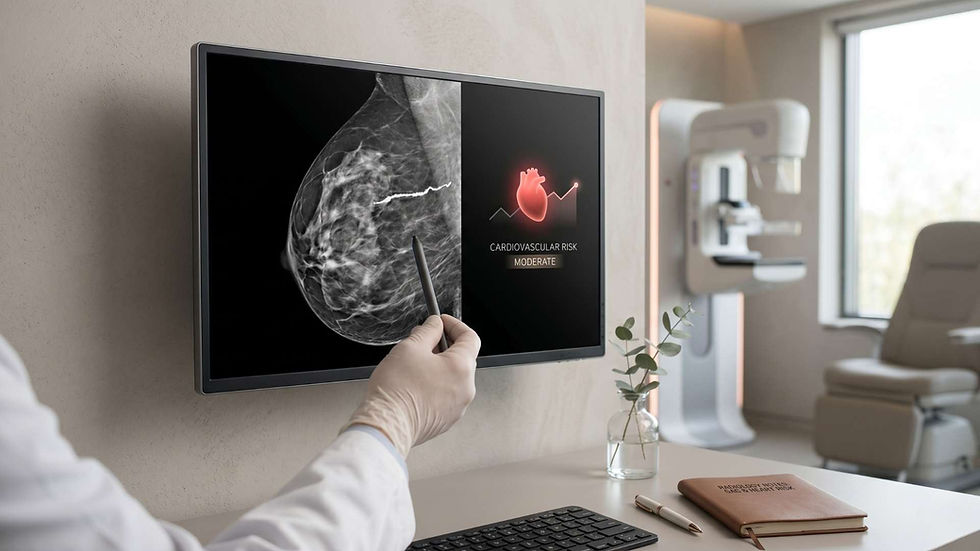
Artificial intelligence (AI) is revolutionizing the early detection of cardiotoxicity. By analyzing electrocardiogram data, AI tools can detect subtle declines in heart function that might not be visible through standard testing. Wearable devices, such as smartwatches or chest monitors, can alert patients and physicians to irregular heart rhythms or reduced physical performance. These innovations enable continuous, cost-effective heart monitoring that extends well beyond hospital settings.
4. Heart-Protective Medications
Several drugs are now available to support cardiovascular health during cancer therapy. For example, beta-blockers, ACE inhibitors, and statins can minimize stress on the heart and reduce inflammation. Some chemotherapy regimens even include dexrazoxane, a medication specifically formulated to shield cardiac tissue from anthracycline toxicity.
5. Treatment Techniques That Spare the Heart
Modern oncology employs advanced delivery techniques to reduce exposure of the heart to harmful radiation or chemotherapeutic agents. Proton beam therapy, for instance, targets tumors more precisely, limiting unnecessary tissue damage. Breath-hold radiation methods also create greater separation between the heart and tumor, reducing cardiac exposure.
Lifestyle Habits That Protect Heart Health During
Cancer Therapy
Beyond medical management, everyday choices play a major role in reducing heart damage during cancer treatment. The American Cancer Society emphasizes that almost half of all cancers can be linked to modifiable lifestyle factors. Adopting healthy habits can simultaneously lower the risk of both cancer recurrence and cardiovascular disease.
Physical Activity and Recovery
Regular physical activity enhances heart function, reduces fatigue, and supports mental health during treatment. Patients are encouraged to engage in light to moderate exercise, such as walking or supervised cardio workouts, depending on their condition and doctor's approval. Physical therapy and cardiac rehabilitation programs can also help rebuild stamina after chemotherapy or radiation.
Nutrition for Heart and Cancer Prevention
A diet rich in fruits, vegetables, whole grains, lean proteins, and healthy fats is fundamental for heart protection. Limiting processed foods, saturated fats, and sugar helps control cholesterol and blood pressure. Adequate hydration and moderate alcohol consumption further contribute to both cancer and heart disease prevention. Omega-3 rich foods like salmon and flaxseed can improve cardiac resilience.
Mental Health and Stress Management
Cancer treatment brings psychological challenges that impact physical health. Chronic stress triggers hormonal changes that elevate blood pressure and inflammation. Mindfulness, meditation, counseling, and support groups provide tools for emotional regulation and improve overall cardiovascular well-being.
Tobacco and Alcohol Avoidance
Smoking cessation is one of the most impactful steps toward reducing heart and cancer risk. Limiting alcohol consumption is equally crucial, as alcohol can interact with cancer medications and impair cardiac function.
How Can Cancer Survivors Protect Heart Health After Treatment?
Cancer survivors should view heart health as an ongoing commitment. Regular follow-ups with both oncologists and cardiologists allow for early detection of delayed cardiotoxicity. Annual cardiac assessments, lipid screening, and blood pressure tracking are recommended, particularly for those who received high-risk therapies.
Long-Term Cardiac Rehabilitation
After treatment, cancer survivors often benefit from structured cardiac rehabilitation programs. These programs combine safe exercise routines, nutrition guidance, and stress management to restore cardiovascular strength.
Lifelong Surveillance and Lifestyle Reinforcement
Even decades after remission, heart monitoring remains vital. Survivors should maintain healthy weight goals, stay active, and adhere to medication regimens prescribed for blood pressure or cholesterol management. Every positive habit reduces the lifelong burden of cardiovascular disease.
The Future of Cardio-Oncology and Innovation
The field of cardio oncology continues to evolve quickly. AI algorithms are being developed to predict individual patient risk before therapy begins. Pharmacists are integrated into care teams to monitor for medication interactions, and researchers are exploring regenerative therapies to heal damaged heart tissue. In the near future, wearable sensors may continuously measure key biomarkers to signal early signs of cardiac distress.
Collaborative Patient Care Models
Integrated cardio-oncology clinics bring together specialists from multiple disciplines to create personalized preventive care plans. This approach ensures that patients receive optimal cancer control without compromising long-term heart health.
Conclusion
Preventing heart damage during cancer treatment requires awareness, teamwork, and proactive care. Through the rapidly emerging field of cardio oncology, patients now have access to advanced monitoring tools, heart-protective medications, and lifestyle frameworks that foster stronger outcomes. As survival rates improve, prioritizing cardiovascular health helps survivors live longer, healthier, and more fulfilling lives. By staying informed, attending regular screenings, and adopting heart-healthy habits, every patient can take meaningful steps toward protecting their heart throughout the cancer journey and beyond.


Comments